Why Technical Writing in 2026 Is Brutal for Most Newbies But Survivable If You’re Exceptional
Published on February 1, 2026 | Category: Technical Writing
Let’s be honest. If you’re a 23 year old fresh out of college, scrolling job boards from a cramped apartment, running on caffeine and hope, technical writing probably looks like a neat side door into tech no heavy coding required. A degree in English, some writing samples, maybe a certification or two, and you’re in.
That fantasy is outdated.
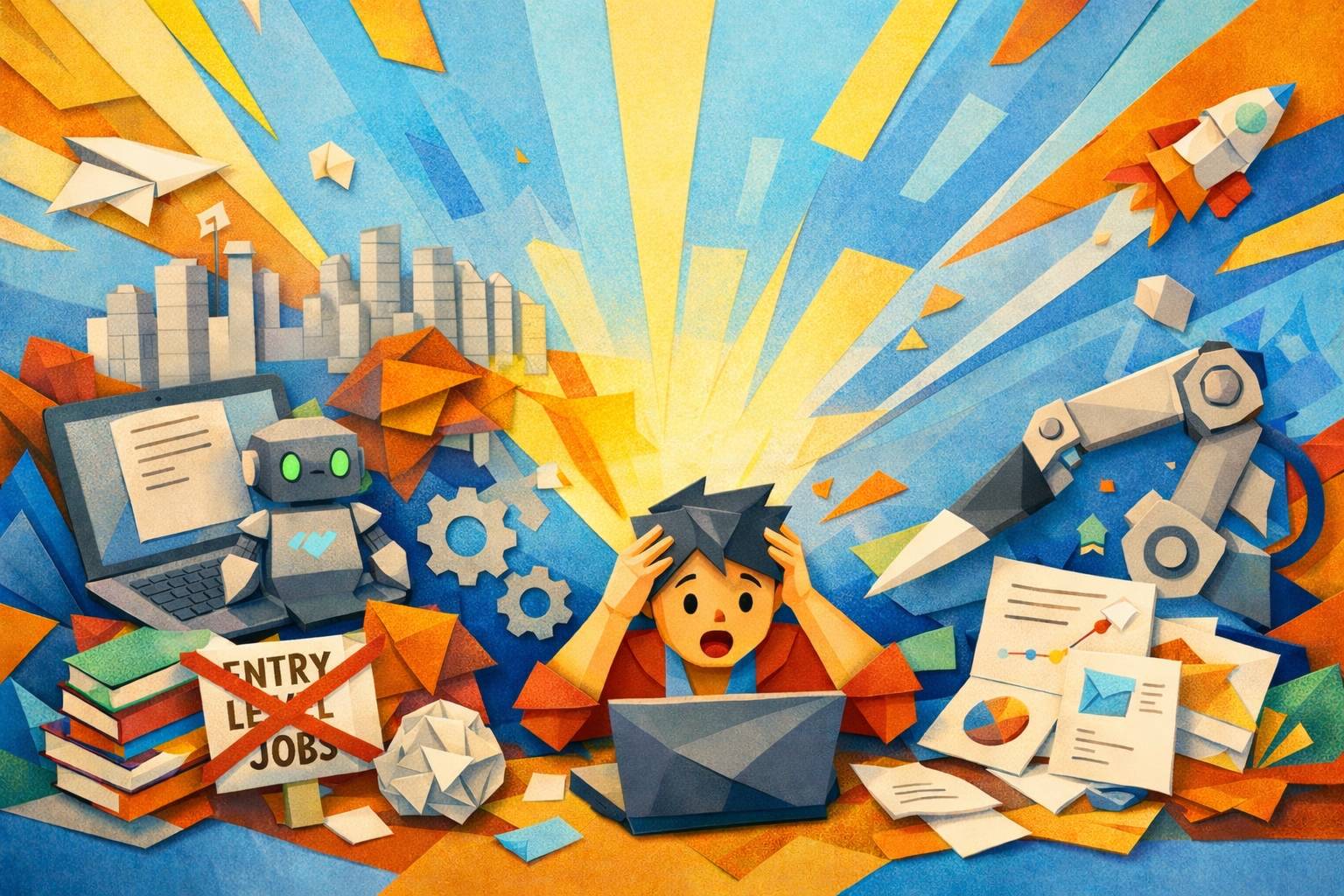
AI has fundamentally reshaped this field, and not gently. Tools like ChatGPT now generate passable first drafts at scale, and companies are responding by shrinking entry level roles aggressively. Is technical writing still a career in 2026? Yes but mostly for people who are well above average.
What follows isn’t sugar coated encouragement. It’s a grounded, uncomfortable take shaped by job data, industry chatter, and lived experience.
The Job Market Is Ruthless and Entry Level Roles Are the First Casualties
The tech hiring environment is unforgiving. New graduates make up a tiny fraction of hires, often competing with experienced engineers and writers who were laid off from large tech firms. Growth in technical writing roles is sluggish barely keeping pace with attrition.
Compensation remains decent if you land a role roughly 90K median in the US, or 7 to 10 lakh in India. But landing that role is the real challenge. Companies are reallocating budgets toward infrastructure and AI tooling, and broad, generalist writing roles are disappearing fast.
Where does demand still exist? Highly regulated domains SaaS, biotech, fintech where accuracy, compliance, and legal risk matter. AI still struggles here. But for newcomers without subject matter depth, the barrier to entry has never been higher.
The message from the market is blunt: generalists are replaceable; specialists are not.
AI: It's Not Your Friend, It's the A*****e Stealing Your Lunch Money
The AI hype might have crashed hard last year, but don't kid yourself, it's still wrecking shop. First drafts are now automated by default. Human writers are expected to review, validate, structure, and improve not just write.
Yes, AI boosts productivity. But productivity gains often translate into fewer roles, not more. Writing is no exception. If your main skill is producing clean prose, AI will outperform you on speed every time.
The real bottleneck has shifted: knowing what to ask AI, how to evaluate its output, and where it’s wrong. Average writers can’t reliably do this and that’s the problem.
Good technical writing still requires judgment, context, and accountability. AI can generate confident sounding errors, and organizations increasingly expect writers to catch them. Those who can’t are quickly exposed.
The future is hybrid AI plus human but only for writers who actively master the tools instead of passively relying on them.
A Survival Playbook for New Entrants
If you’re still committed, here’s what actually helps.
-
Master the Basics Then Go Beyond Them
Learn structured writing, information architecture, and standards like DITA and docs as code. But don’t stop there. Treat AI tools as force multipliers, not shortcuts. Draft with them, then aggressively revise. Employers increasingly expect this skill set. -
Specialize Relentlessly
General technical writing is commoditized. Pick a domain AI ethics, healthcare, cybersecurity, EVs, developer tooling and go deep. Domain knowledge is what keeps humans in the loop. -
Show Work, Not Credentials
Portfolios matter more than resumes. Publish real samples. Contribute to open source docs. Freelance if needed. Demonstrate that you can own complexity and deliver clarity. -
Build Relationships, Not Just Applications
Communities like Write the Docs, r/technicalwriting, and regional tech meetups matter. Referrals and reputation increasingly outweigh degrees especially in remote first environments. -
Create a Personal Moat
Creativity, initiative, and systems thinking are still hard to automate. Writers who think like product owners or architects last longer than those who only execute instructions.
The Reality Check
Technical writing in 2026 isn’t dead but it’s no longer forgiving. AI has commoditized the basics and pushed humans toward higher responsibility, not lower effort. Freelancing and global work are viable paths for those who adapt quickly.
But for anyone expecting a smooth entry level glide path? That window has mostly closed.
This field rewards resilience, curiosity, and continuous reinvention. If that excites you, there’s still a future here. If not, it’s better to pivot early than struggle indefinitely.
This isn’t a comfort career anymore. It’s a demanding one. Choose accordingly.